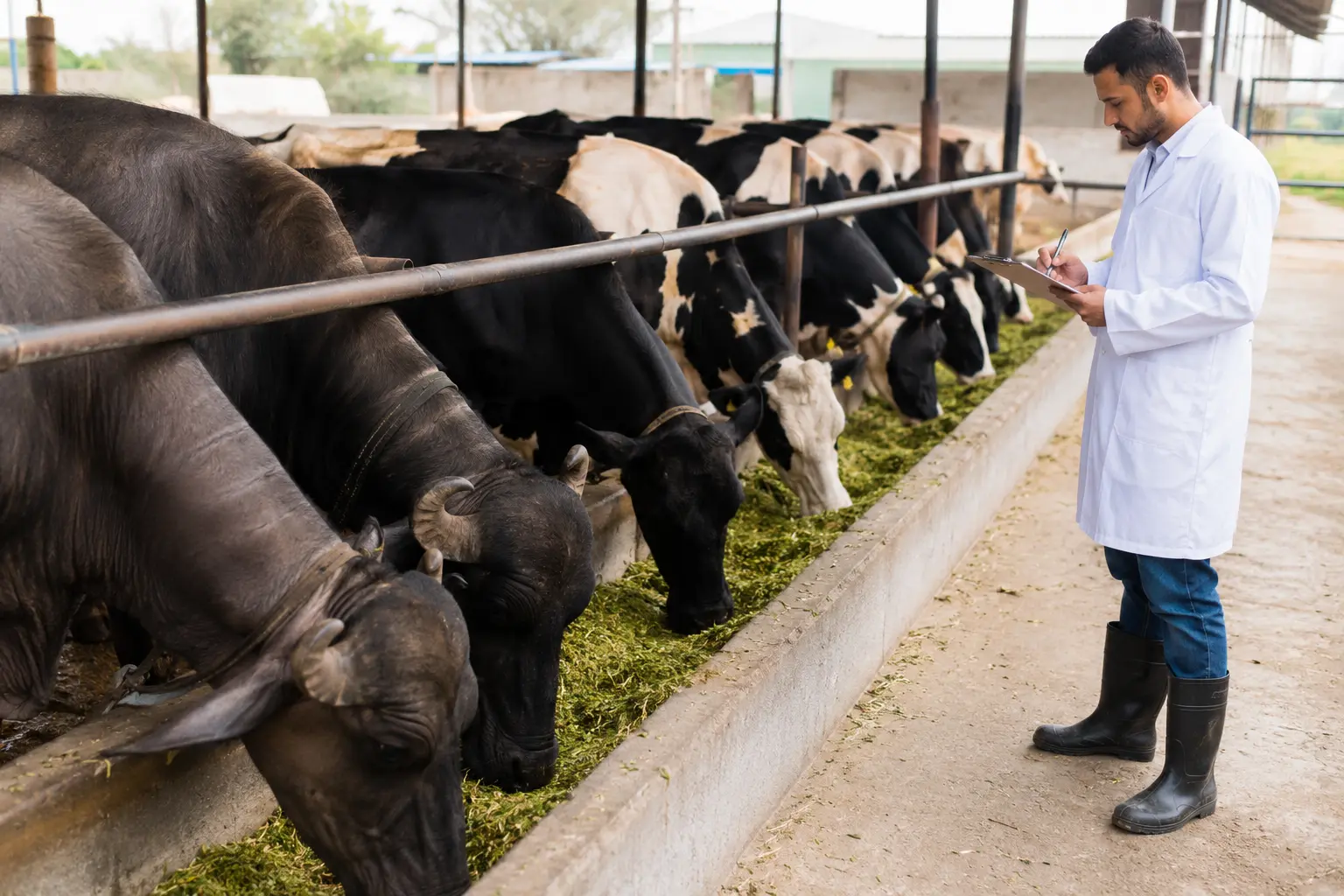
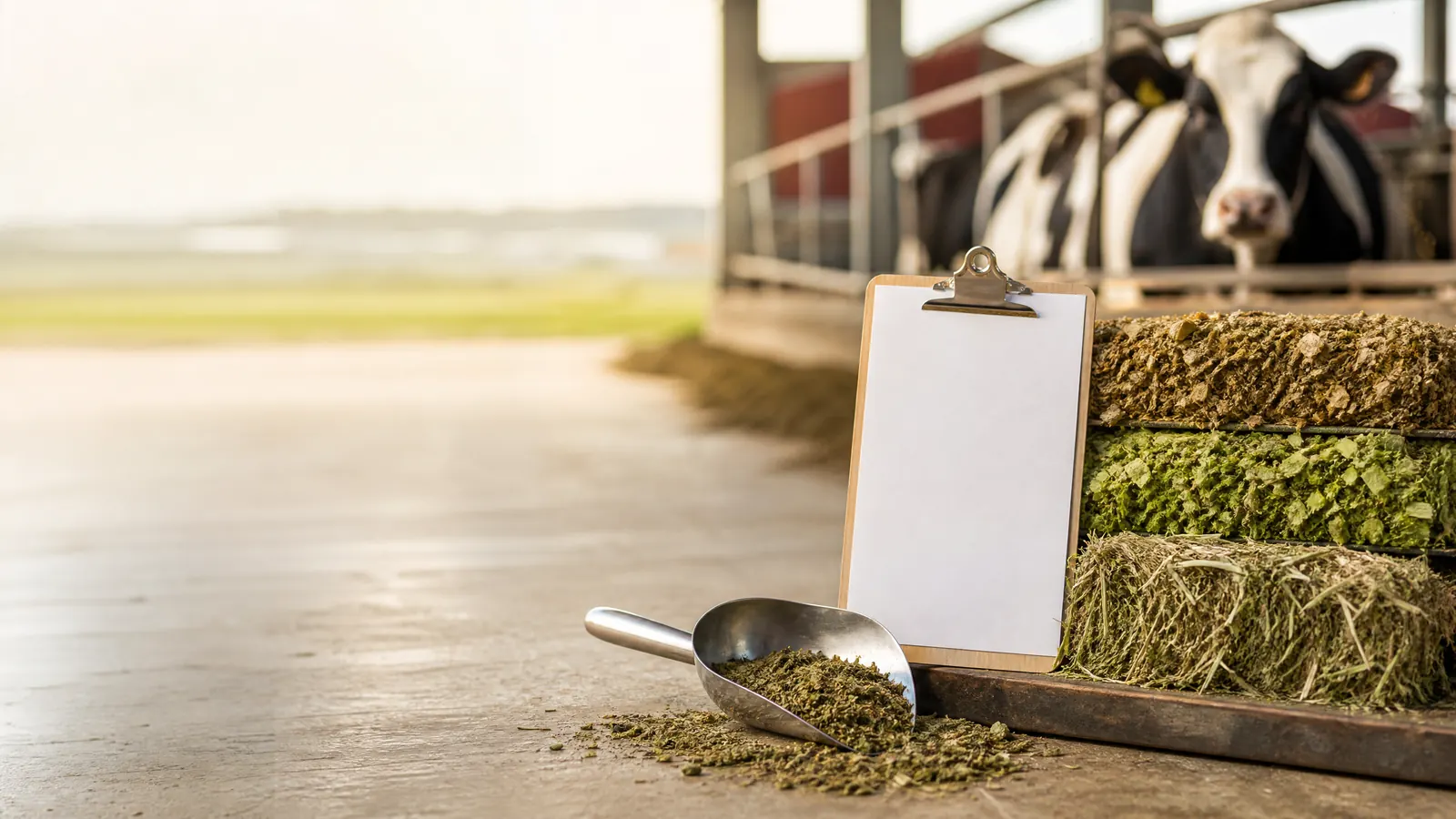
Better feeding conversations are easier when the farm has a small, repeatable record. The aim is not complicated paperwork. It is to keep a few useful observations in one place so a product, forage or management discussion is based on the actual group rather than memory alone.
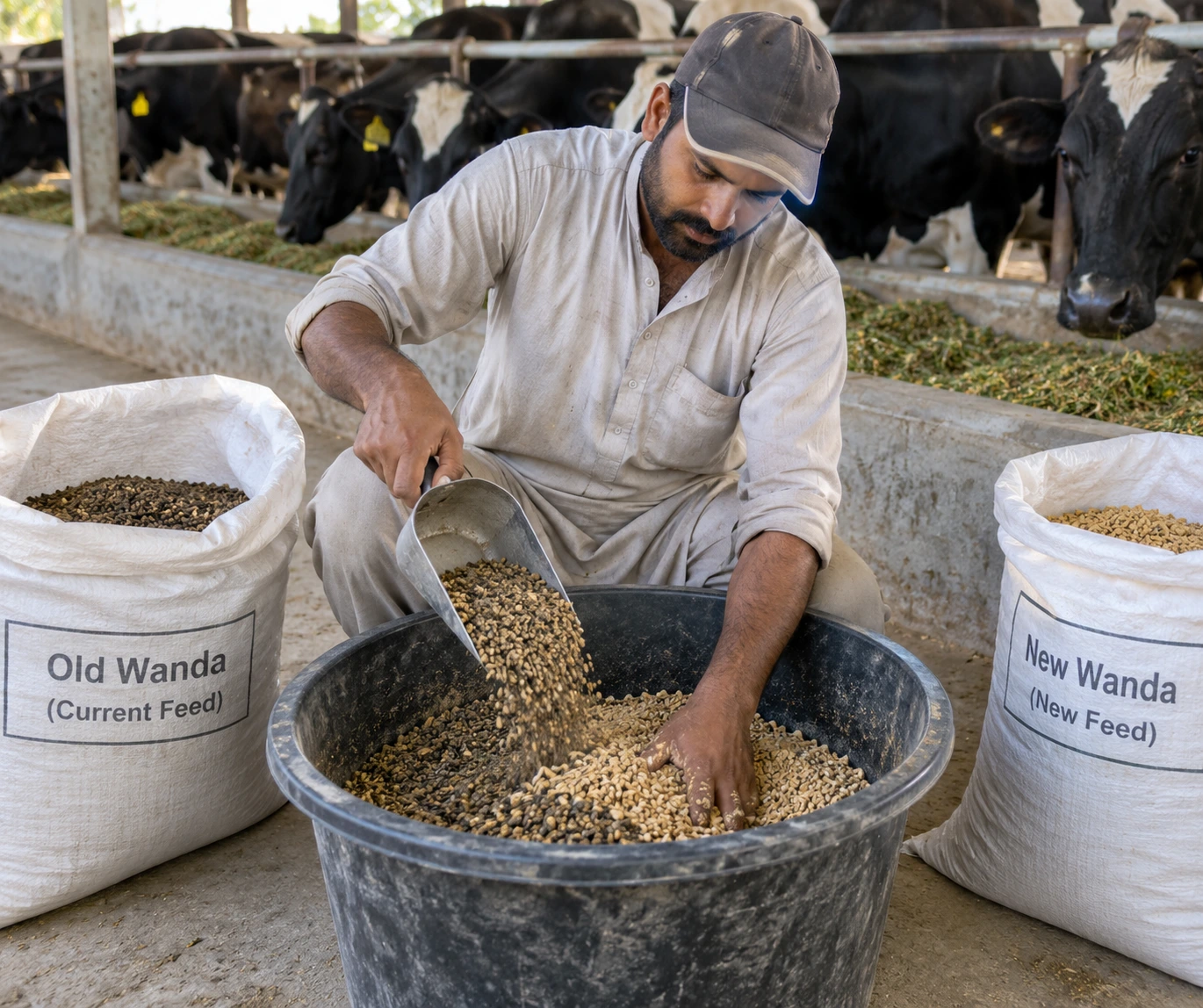
Start with what is already being offered. Record the forage type, approximate daily routine, the feed product being used, how animals are grouped and whether water access is reliable. Add short notes on appetite, visible sorting, leftover feed and any change in milk trend or body condition. Where possible, note the date of a major change.
Use records to ask better questions. If forage availability changes, if a new cattle group is introduced or if the daily schedule shifts, these details matter to a qualified nutritionist. They also help Fouji product guidance stay connected to the practical farm setting rather than becoming a generic recommendation.
A notebook or phone record is not a substitute for forage analysis, a professionally balanced ration or veterinary assessment. Treat it as useful context. Persistent low intake, marked production change, illness, reproductive concerns or unexpected losses require prompt farm-specific professional support.